
 Mexico - Español
  China - 中文
  Australia - English
  Canada - English
  India - English
  United Kingdom - English
  United States - English
  France - Français
  Italia - Italiano
  Brazil - Português
  Argentina - Español
  Chile - Español
  Colombia - Español
  Guatemala - Español
  Puerto Rico - Español
  España - Español
 La Logística de tu negocio fácil y rápida.
Cotiza envíos de sobres, cajas y pallets. Integra tu tienda en línea, crea multi-envíos, personaliza tu página de seguimiento. Optimiza tiempo y costos.

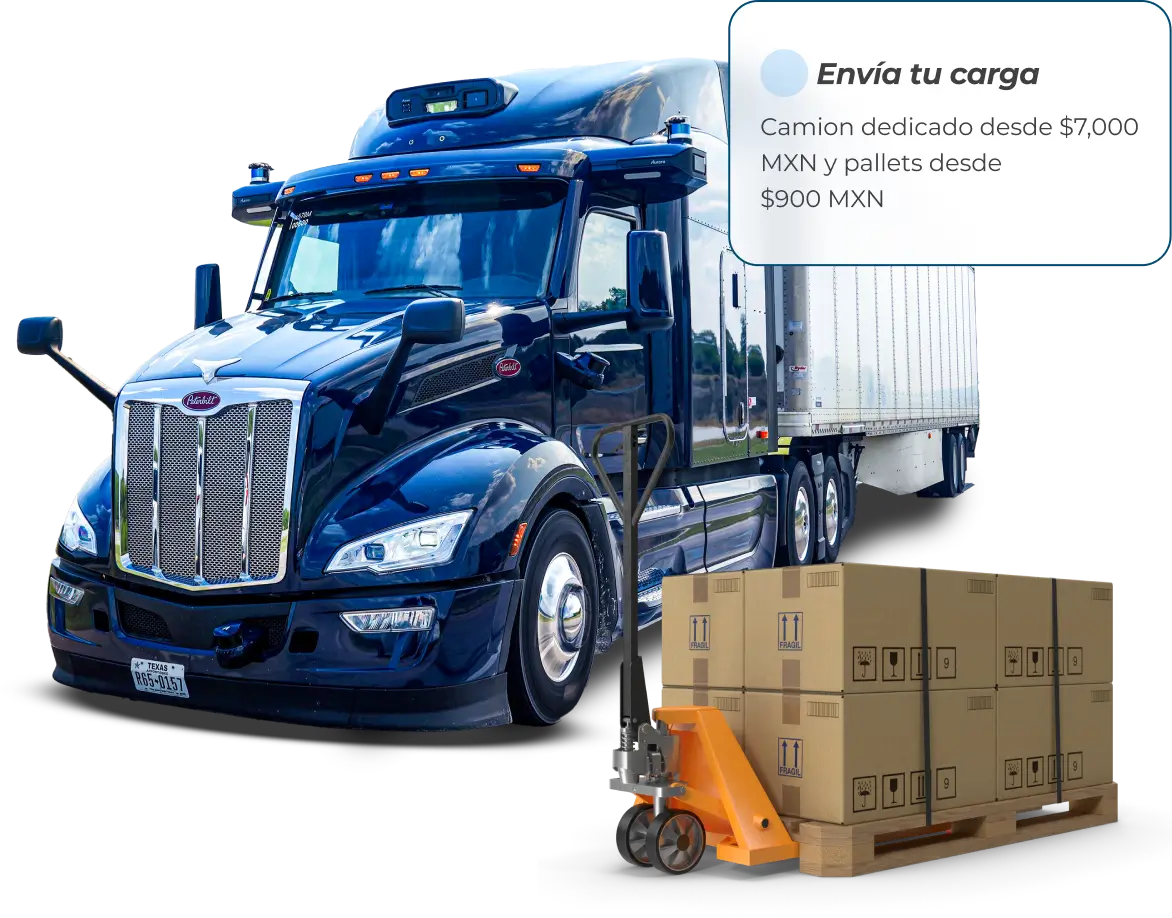
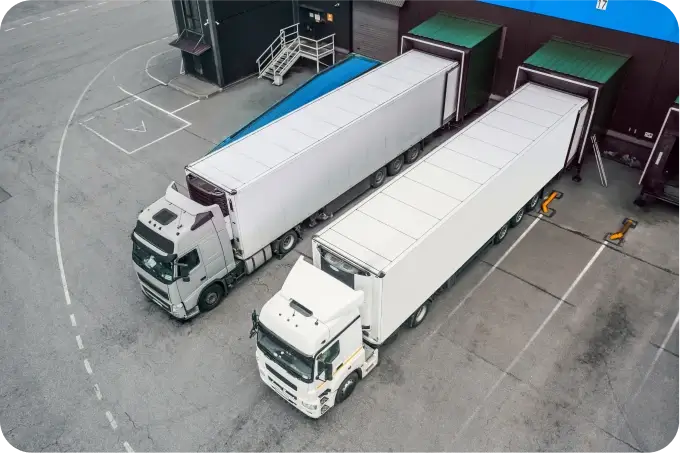
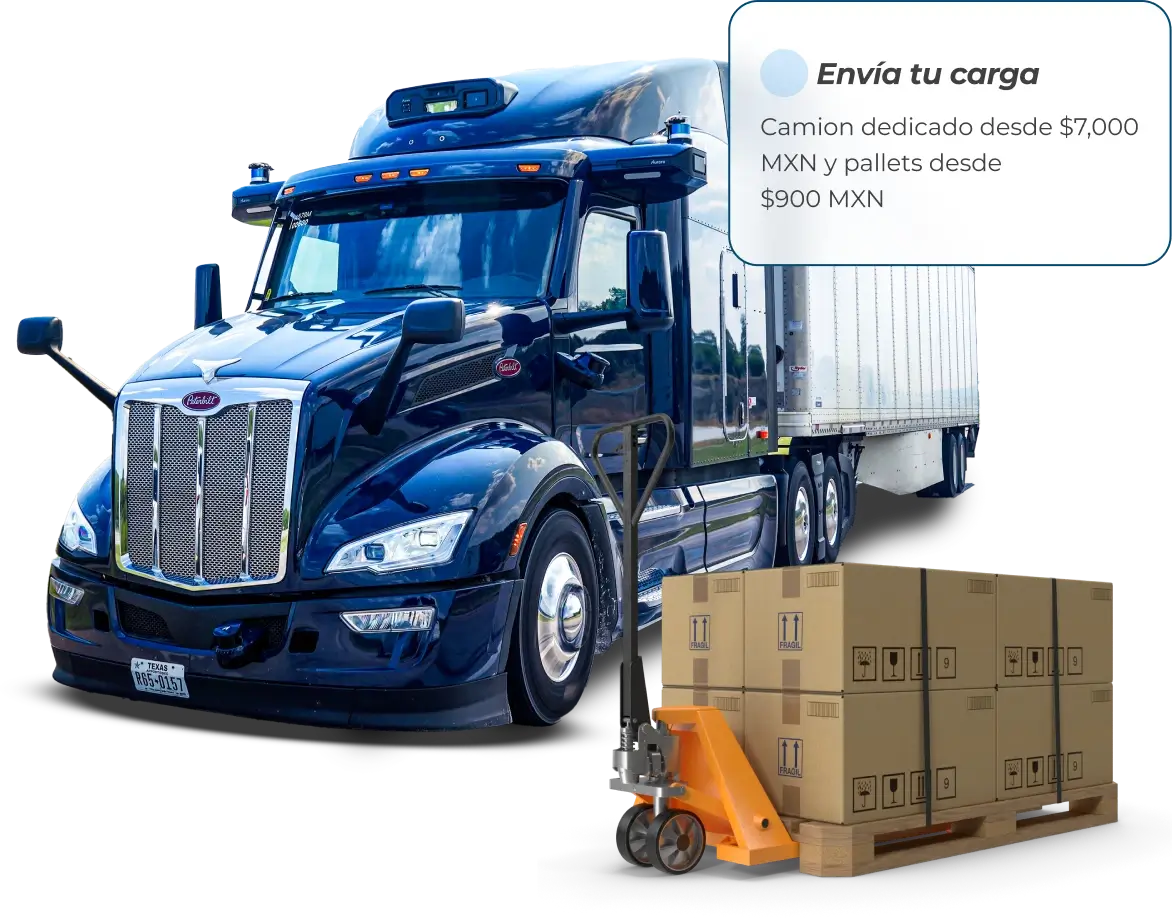
Envía tu mercancía en todo tipo de unidades de carga pesada
Tenemos envíos directos desde el origen hasta cualquier ciudad. Con rutas sin desvíos, garantizando envíos con las mejores tarifas.
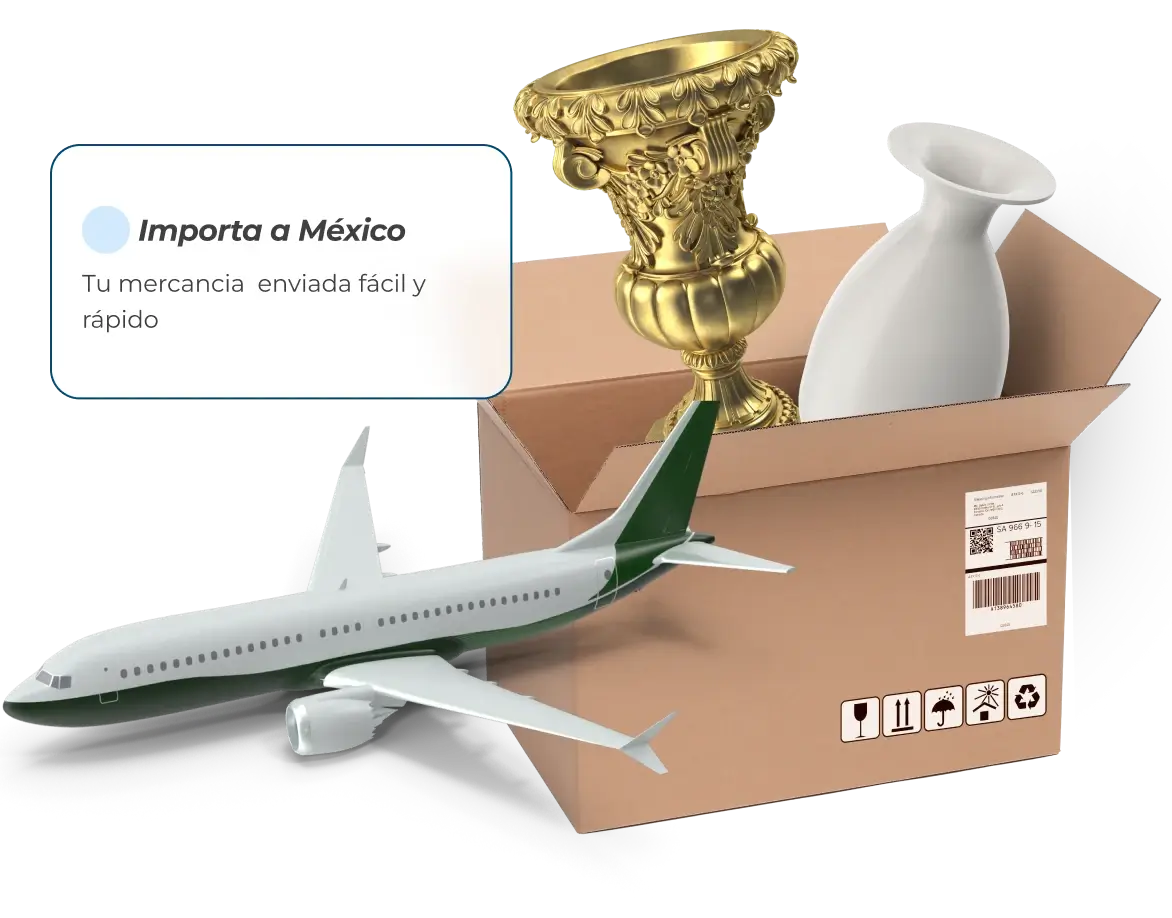
Importa desde cualquier lugar a México
Conoce todo lo que necesitas para recibir tu mercancía desde cualquier parte del mundo con una de las mejores paqueterías.

50,000+ Empresas
Confían su logística con nosotros.

1M+ Envíos
Gestionados mensualmente

100+ Paqueterías
Integradas con Envia.com
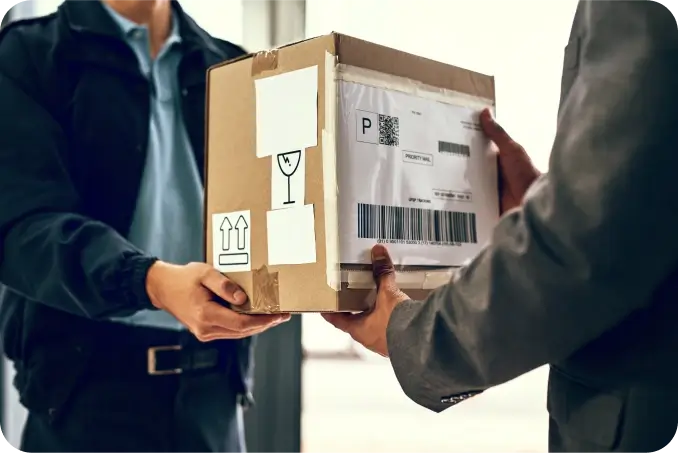
Envíos Locales
Entregas rápidas y seguras en su área local, garantizando entregas el mismo día y envíos a demanda en menos de 45 minutos.
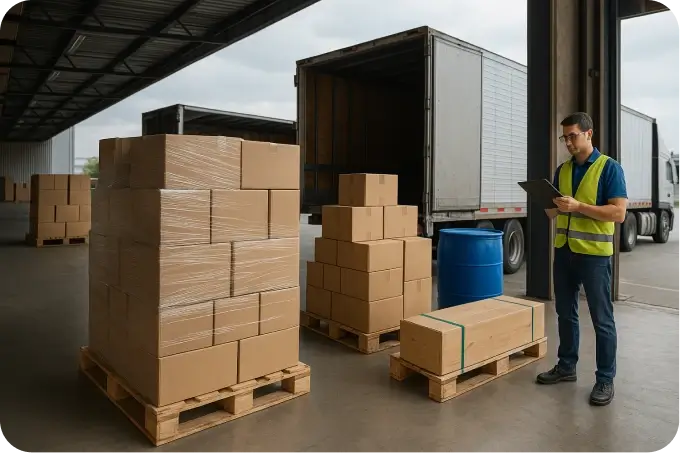
Envíos Nacionales
Ofrecemos envío a nivel nacional para ayudarte a llegar a tus clientes en cada parte del país.
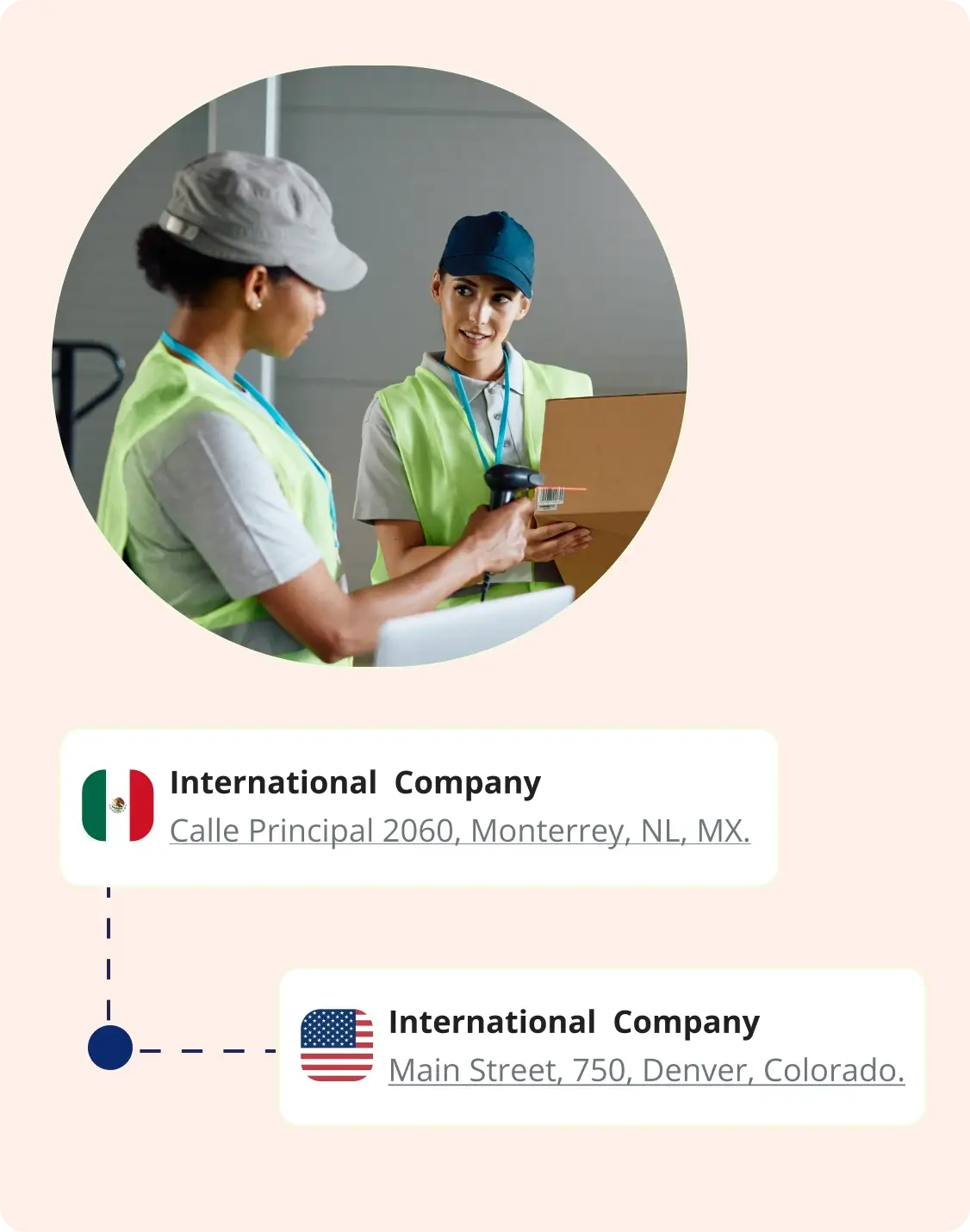
Envíos Internacionales
La carta porte se crea automáticamente y puedes seleccionar quién pagará los aranceles.
Todo lo que puedes hacer con Envia.com

-
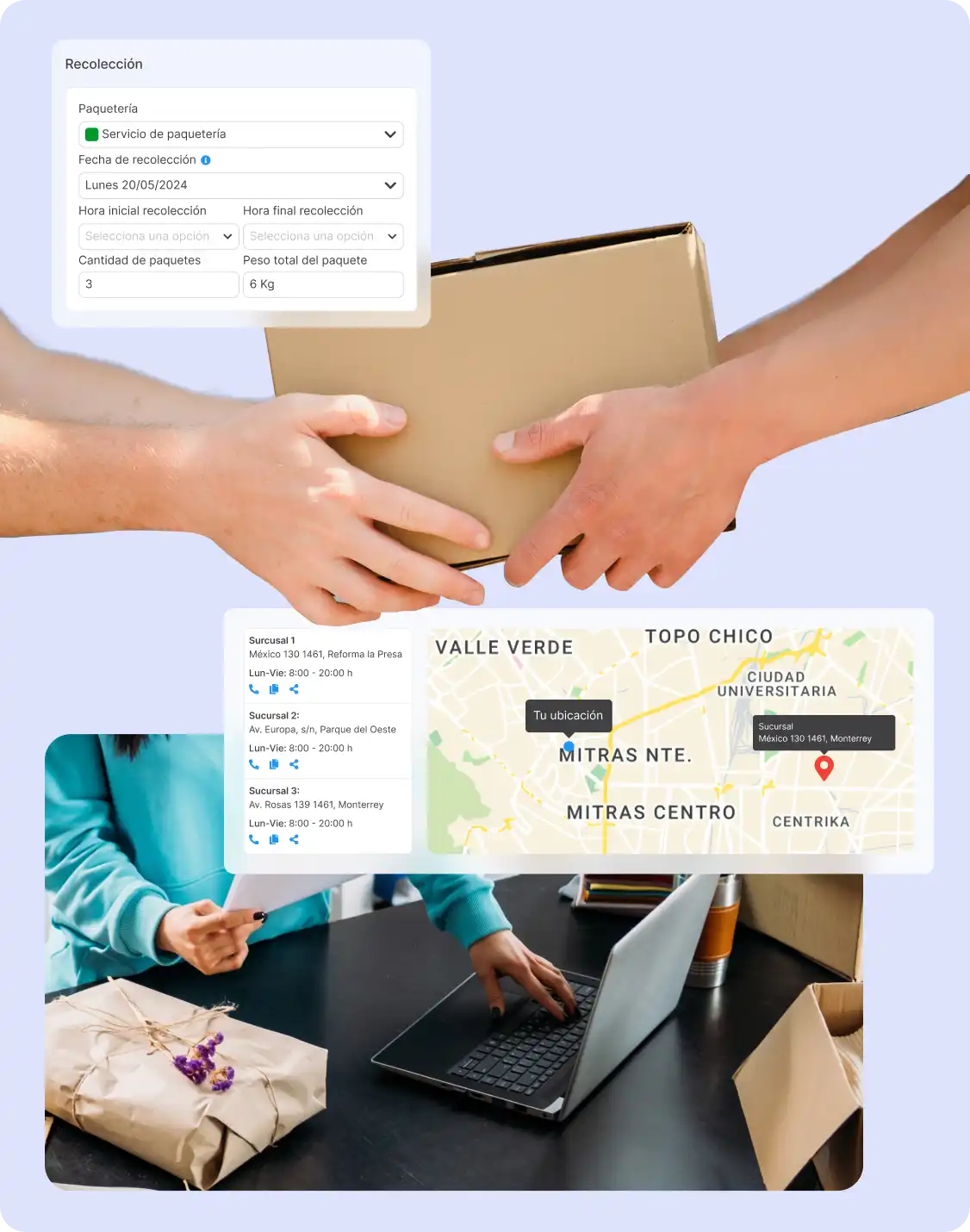
Recolección y entrega en sucursal
Programa la recolección y ofrece entregas a domicilio o retiro en sucursal.
-

Rastrea el estado de tus envíos
Ofrece a tus clientes un seguimiento seguro y claro de su envío, rastrea sus envíos en tiempo real.
-

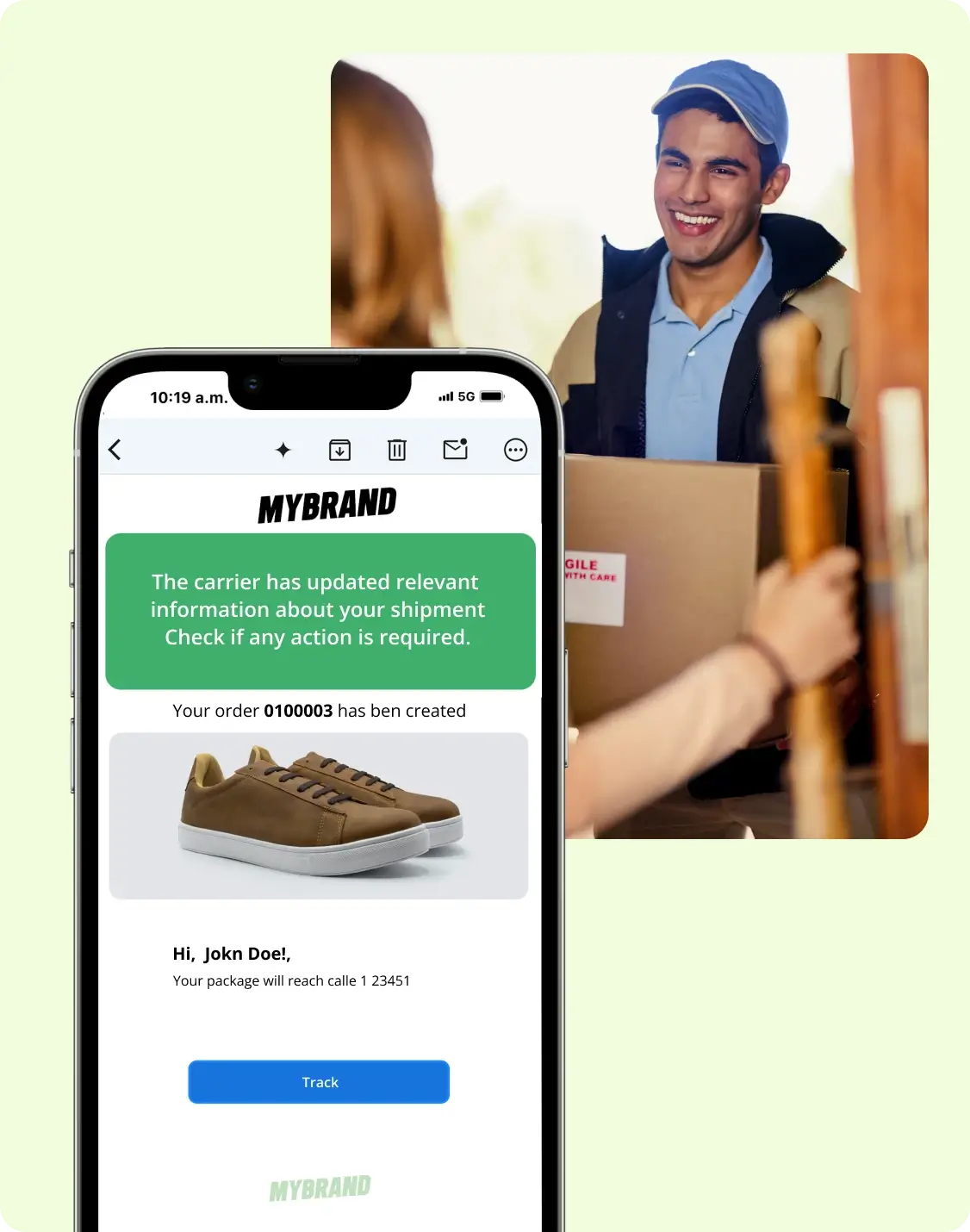
Correos y página de rastreo personalizados
Programa y envía correos automáticos con tu marca, además continúa vendiendo tus productos.

Transporte de carga completa a nivel nacional
Transporte completo de carga por camión (FTL), te ofrecemos seguimiento garantizado las 24 horas del día, los 7 días de la semana.
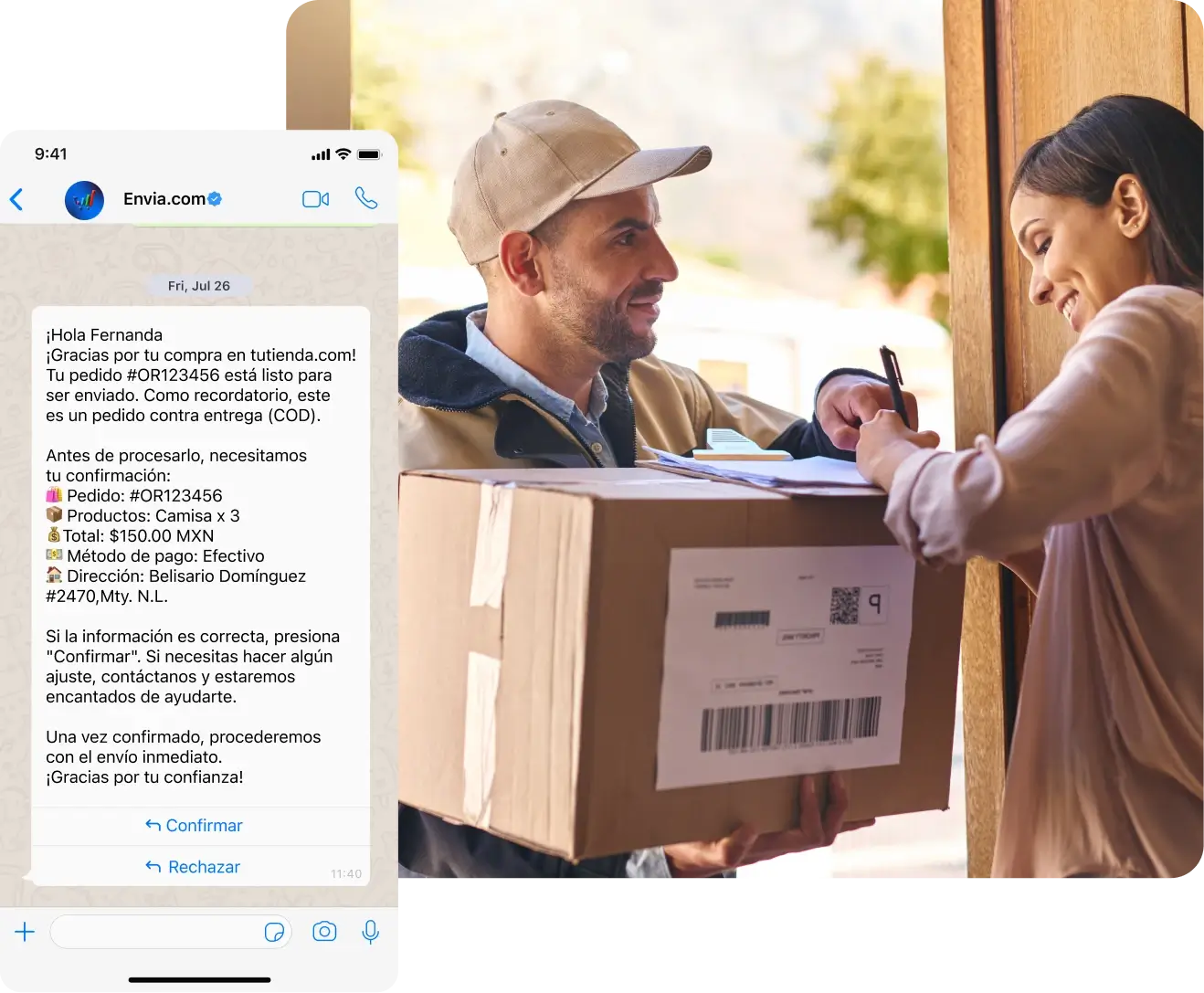
Pago contra entrega
Cobra el costo de tus productos al momento de la entrega con nuestro servicio de pago contra entrega, recibe tus pagos 72 horas después del envío en tu cuenta de Ecart Pay.
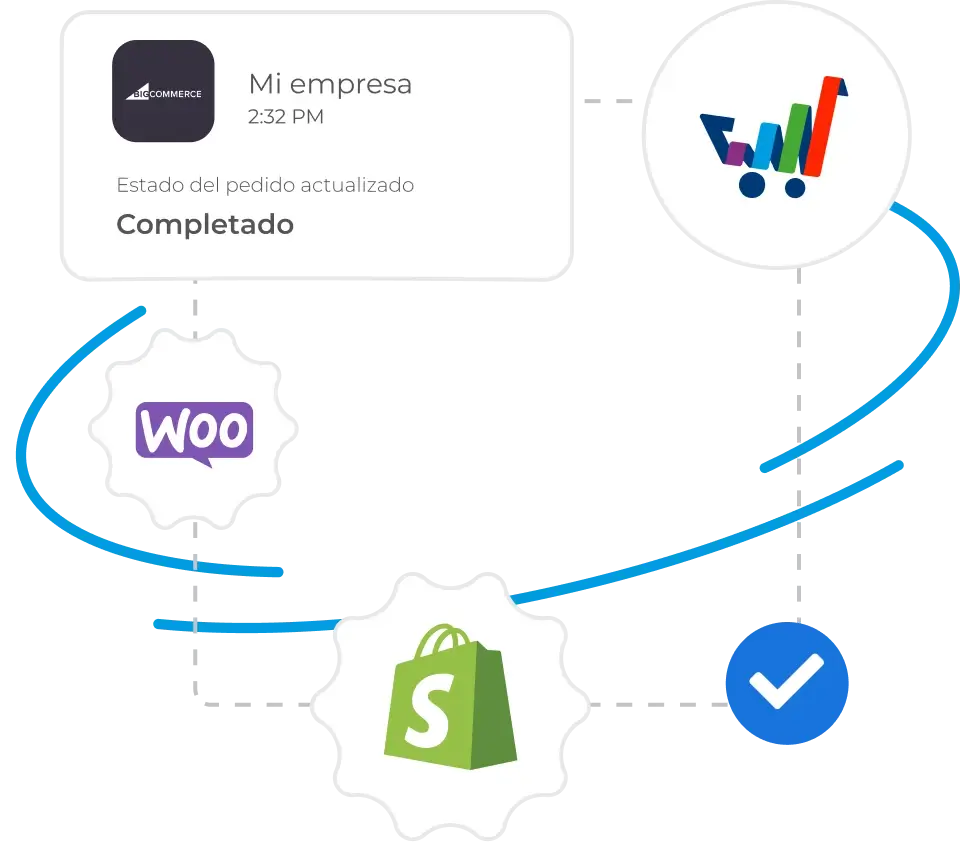
Conecta tu tienda en línea y expande tu negocio
Con 40+ plataformas de e-commerce, puedes sincronizar pedidos, establecer reglas de envío para cotizaciones automáticas, y habilitar opciones de envío en el checkout.





Todo lo que puedes hacer con Ecommerce Pro
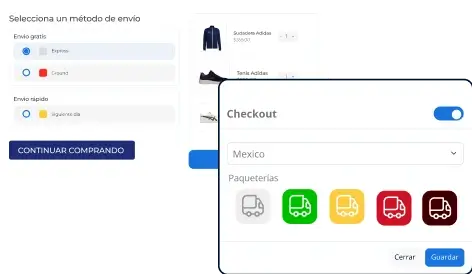
Muestra opciones de envío en tu checkout
Agrega opciones de envío en tiempo real en tu página para que tus clientes elijan la mejor opción de envío.
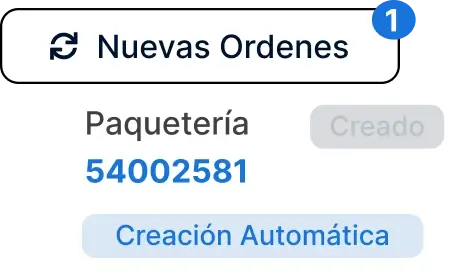
Guías generadas automáticamente
Recibe una compra en tu tienda y la etiqueta de envío se genera en automático.
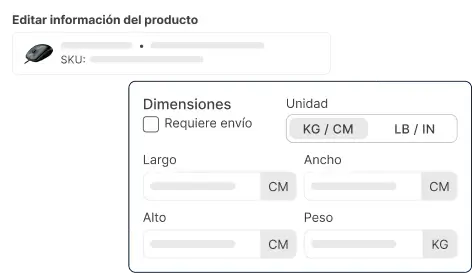
Gestión de productos
Sincroniza los productos de tu tienda ecommerce con la plataforma para cotizar correctamente tus envíos.
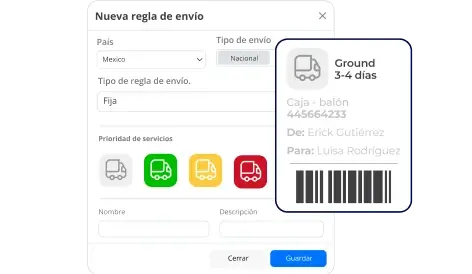
Automatiza la elección del servicio de envío
Define reglas de envío simples y deja que el sistema seleccione por ti la paquetería ideal según el peso, el precio o los productos del pedido.
Conoce otras soluciones
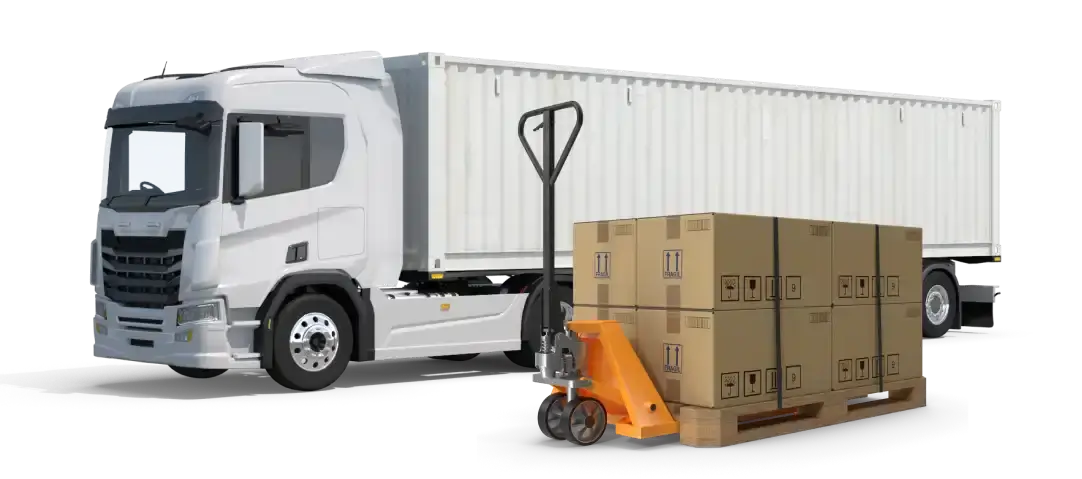
Con Envia.com, puedes generar envíos de carga pesada locales y nacionales utilizando las mejores paqueterías disponibles en nuestro sistema de logística totalmente automatizado.

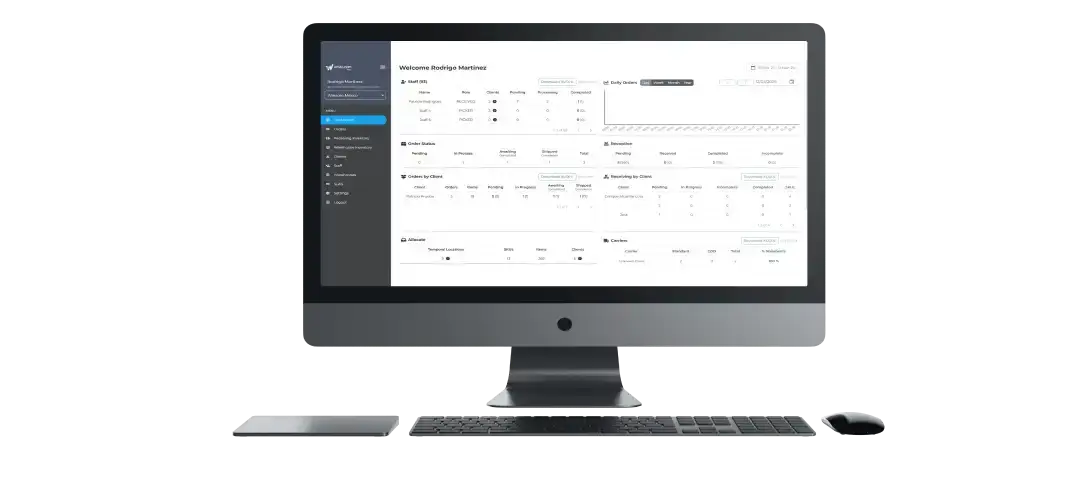
El sistema de gestión de almacenes en la nube más completo del mercado, nuestro sistema interconecta cada paso de la cadena de operaciones, desde que el inventario llega al almacén hasta que se entrega en su destino final.

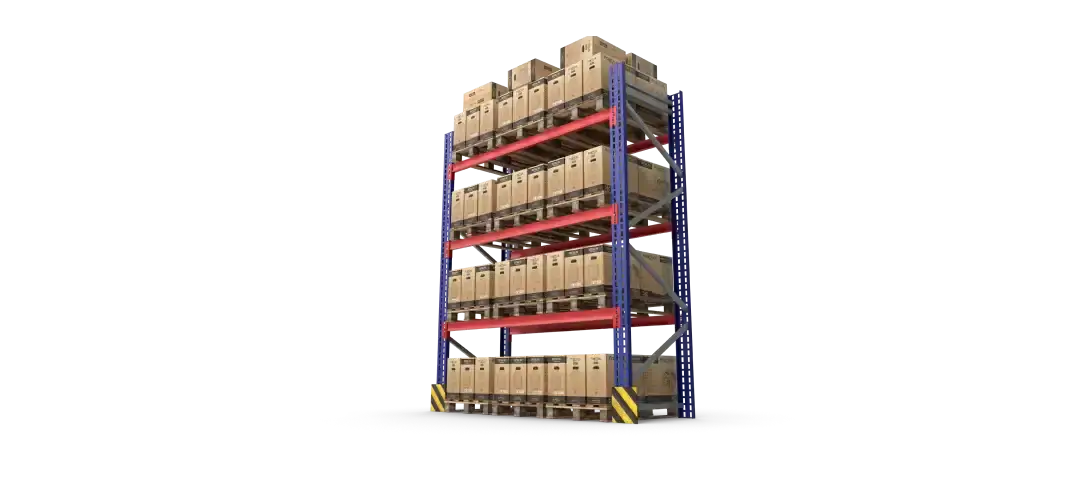
Procesamos el inventario de tu negocio y te ofrecemos un servicio completo para el cumplimiento de pedidos y distribución de tus envíos.

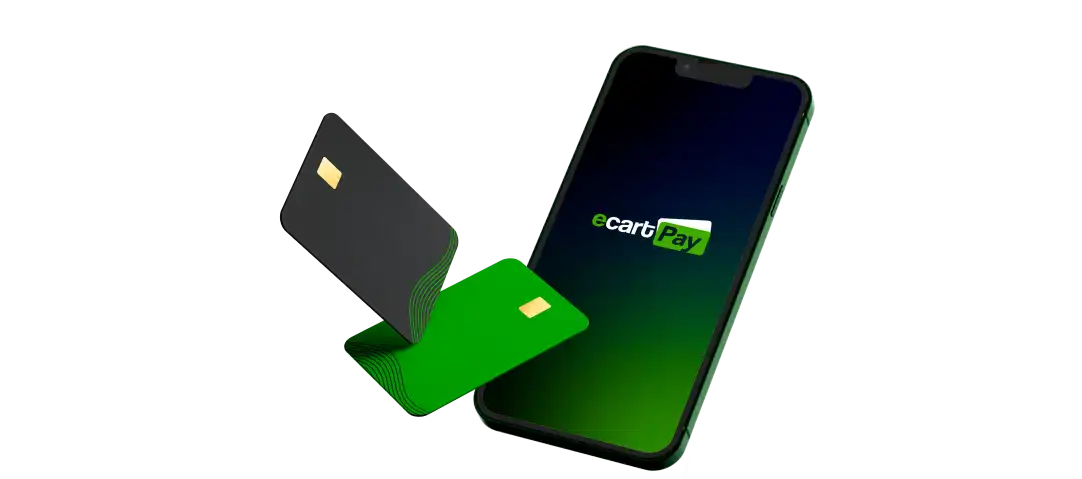
El procesador de pagos en línea más seguro para empresas en crecimiento. Reciba pagos, manda reembolsos y crea facturas.

Encuentra todos los materiales que necesitas para empacar tus productos, desde sobres con burbuja hasta cajas personalizadas.
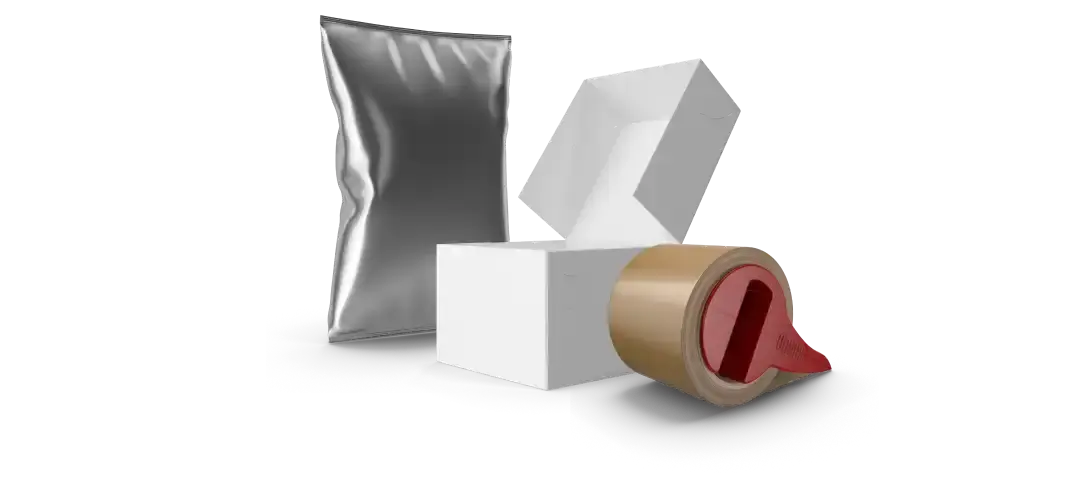
Envia.com tiene soluciones para todo tipo de negocios.


Desarrolladores
Utiliza las API's de Envia.com para tus apps y sistemas. La logística más rápida y eficiente que te conecta con todas las paqueterías.
Empresas y negocios que confían en nosotros
Carlos Padilla
Lentematic
"Gracias a envia.com podemos hacer envíos masivos en un clic"
Valeria Rangel y Paola Santos
The Face
"Con envia.com ha sido muy fácil llegar a todo el mundo"
Primo Rafa
Master Holder
"Usamos envia.com desde el día 1"
Vanessa Palau
Kahlu Skin
"Podemos hacer envíos internacionales tan fáciles, como los hacemos a México"

Rodrigo Marcos y Jorge Vallarta
Groovies
"Que todas las órdenes sabes con toda confianza que van a salir ese día"
Larisa Yunez y Eduardo Labainez
La Caprichosa
“Antes de envia.com era estar varias horas generando guías. La ventaja que encontramos en Envia.com fue integrar las plataformas de e-commerce."

Andrea y María José Velasco Reyes
LOFA ceramics
“Nuestros envíos los hacemos por envia.com, ya sea desde nuestra caja de muestras hasta tarimas grandes de 36 cajas."
Original Penguin
“Estamos muy contentos de estar con Envia.com nos han facilitado la vida, sobre todo lo más importante para nosotros es la atención al cliente."

Miguel Angel Vallejo Flores
Nacionalissimo
"El servicio de verdad importa bastante. Nosotros seleccionamos Envia por su servicio”
Azucena Tapia y Ricardo Cano
M. Valentina
“La plataforma es muy fácil de entender, es intuitiva incluso para una persona sin experiencia.”
Jesús García y Karol Quiroz
Botas Liz Escobar
“Si estás pensando en mandar paquetes a alguna parte del mundo, alguna parte de la República, te recomiendo que utilices la plataforma de Envia.com"
Mónica Galavis
Botas Ladies el Malcriado
“Envia.com ha sido un elemento que a nosotros nos da para ganar”

Cecilia Sanmer y Silvia
OREM
“Se lo recomendaría a cualquier emprendedor@ que quiera tener paz porque te ayuda muchísimo a gestionar con diferentes paqueterías”


Empresas y negocios que confían en nosotros

Dentaurum Mexico
Hemos tenido una experiencia muy positiva con Envia.com. Su atención al cliente es oportuna y siempre están dispuestos a resolver nuestras inquietudes. Además, sus precios competitivos nos han perm...

Happy Print
La aplicación es completamente compatible con Shopify, lo que permite visualizar el estado de cada orden. Además, ofrece múltiples opciones de paqueterías y tarifas para elegir la más conveniente...

KIÚVA
La aplicación es muy intuitiva y fácil de usar. Funciona con una amplia variedad de paqueterías, y permite generar una guía en menos de 5 minutos. Llevamos más de 2 años trabajando con ellos, y ...

Nature´s Factory
Una excelente aplicación que simplifica y agiliza un proceso tan complejo como la logística de los pedidos. Ofrece tarifas competitivas y una amplia variedad de opciones para realizar envíos a cual...
Comunidad de Partners by Envia.com
¡Conoce nuestra comunidad de Partners y accede a descuentos y beneficios que ofrecen nuestros afiliados!

La mejor plataforma. Llevo usándola alrededor de 3 años, y es muy accesible para mi negocio. La atención al cliente es buena y servicial. Muy recomendada.